About Carlisle Tennis Club

Serving the Carlisle community since 2000. Discover our history, constitution, and club rules.

ABOUT OUR CLUB

Since 1998, the Carlisle Tennis Club’s many tennis loving volunteers continue to provide social and recreational tennis for our growing community and several other communities in our area. Our two lit courts are located in the heart of the Palomino subdivision in the community of Carlisle, within Flamborough district in the City of Hamilton. Our club serves a very large area as we are the only club in the north-east area in the City of Hamilton. We have members from Carlisle, Freelton, Millgrove, Flamborough Centre, Waterdown and other surrounding communities .

Our club showcases tennis as an accessible sport for people of all ages and skill levels. Currently, we have over 200 members aged 5 to 65+ actively participating in structured Junior, Ladies, Men’s, and Mixed programming and unstructured recreational tennis activities.
OUR MISSION

“The mission of the Carlisle Tennis Club is to foster the sport of tennis by promoting social and recreational tennis, skill development, and an active healthy lifestyle for individuals and families within our community and neighbouring communities.”

Bodo Elakkad

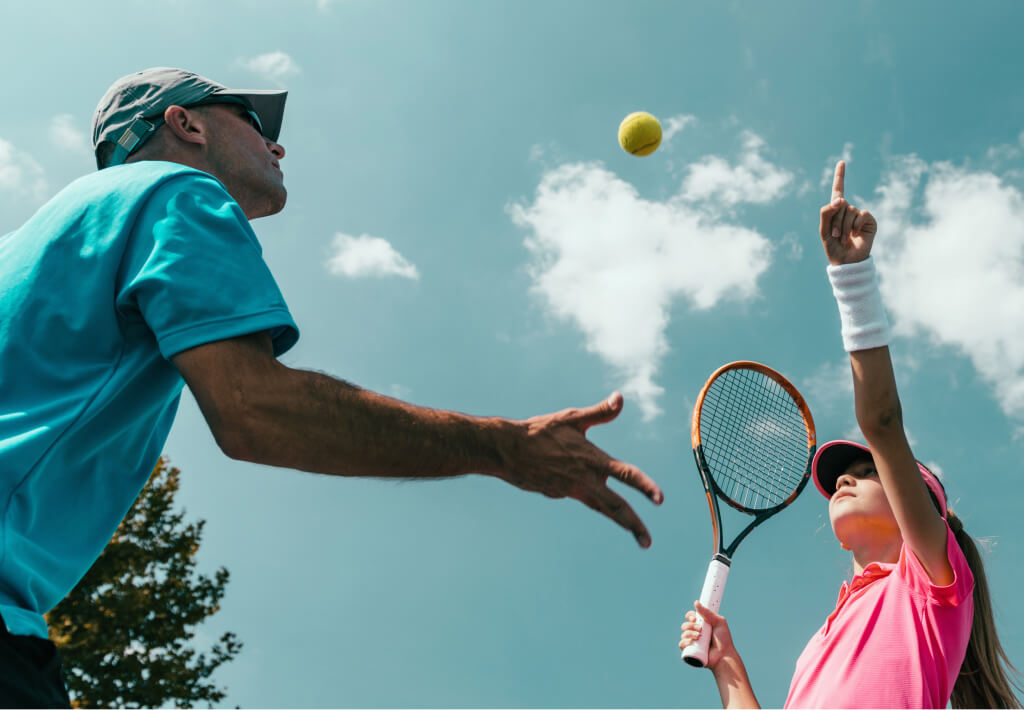
Meet our Pro Bodo Elakkad! A Tennis Canada Level 2 Club Pro, Bodo comes to CTC with a wealth of experience as a Skills Development and High Performance Coach.

Junior and Adult Lessons

For more information, refer to our Junior Programs or Adult Programs page, or email our Pro directly at pro@carlisletennisclub.com

CTC Code of Conduct and Rules for Members

The purpose of the Code of Conduct and Rules is to encourage a pleasant and welcoming atmosphere at the Club, which will be conducive to both casual and competitive play while maintaining an appropriate sharing of the Club’s facilities for all members alike.

Members are required to uphold these rules and expectations:

  • Follow direction provided by an event organizer, Club Pro, or Club Executive regarding the use and accessibility of the courts.
  • Show fellow members respect. Refrain from swearing, screaming or aggressive behavior toward another player or players.
  • Follow club rules in connection with signing up and retiring from the use of tennis courts. Should there be any confusion, previously arranged programming – e.g. clinics or group play will have priority for the use of the courts.
  • Exercise consideration for others in not monopolizing limited court time when others are waiting.
  • Respond politely and accurately when asked for proof of membership or concerning use of the Club’s property including balls, shed, etc.
  • Familiarize yourself with the Tennis Etiquette guide listed on the website.

A failure to follow the spirit of Club Rules or Code may result in sanctions including but not limited to:
  • Suspension of playing privileges
  • Expulsion from the Club
The Heritage of Fair Play

The courtesy governing tennis is just as fundamental to the sport as its physical rules. Modern tennis traces its roots back to 12th-century France, where it began as jeu de paume (“game of the palm”) played by medieval monks and European royalty. In fact, the word “tennis” comes from the French tenez, a friendly warning shouted by the server meaning “receive” or “be ready!”

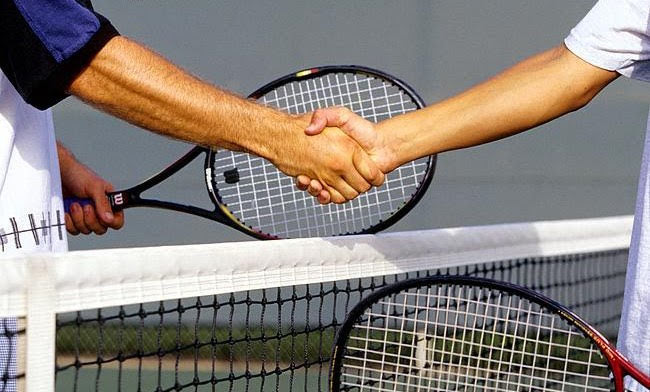
As lawn tennis expanded across the globe in the 19th century, it kept this welcoming spirit—a culture rooted in composure, respect, and good sportsmanship. Because casual and recreational matches are entirely self-officiated, today’s codes of conduct are there for a wonderful reason: they keep the game fair, ensure everyone stays safe, and make sure the focus remains on having fun and playing your best.

Warm-Ups & Pace
  • Warm-Up Etiquette: Think of pregame warm-ups as entirely cooperative rather than competitive. It’s a great chance for both you and your opponent to find your rhythm, so try to direct your shots toward the center of the court and save the competitive winners for the actual match.
  • Practice Serves: To keep things smooth, simply catch or set aside your opponent’s practice serves. Avoid hitting aggressive return shots unless the two of you have explicitly agreed to warm up returns beforehand.
  • Pace of Play: Respect the server’s tempo and try to keep a steady flow. A standard, comfortable pace allows about 10–12 seconds of rest between points. If a serve is delivered before the receiver is fully set, no worries—just replay the point.
On-Court Demeanour
  • Positive Attitude: Keeping a respectful, positive attitude toward opponents, partners, and spectators makes the game better for everyone. Staying encouraging and avoiding outbursts or unnecessary distractions helps keep the match fun and competitive for all.
Ball Management
  • Ball Possession: To avoid interrupting the fun, the server should always have two tennis balls ready to go (in hand, a pocket, or a clip) before starting a point.
  • Returning Loose Balls: When sending a ball back to the opposite side or an adjacent court, roll or hit it over gently and accurately. It’s always best to store spare balls securely against the back fence so no one trips on them.
  • Adjacent Courts: If a ball strays onto a neighboring court, hold off on running over to grab it. Wait for a break in their action, or call a “let” immediately if the ball poses a quick safety hazard to them.
Scoring & Line Calls
  • Audible Scoring: To keep everyone on the same page, the server should call out the score clearly and loudly before delivering each service point.
  • Fair Line Calls: Players are responsible for calling the lines on their own side of the net. Always give your opponent the benefit of the doubt—if you can’t definitively see that a ball is out, the friendliest (and correct) thing to do is call it in!